What Should Companies Check Before Buying Reusable Sanitary Pads in Bulk
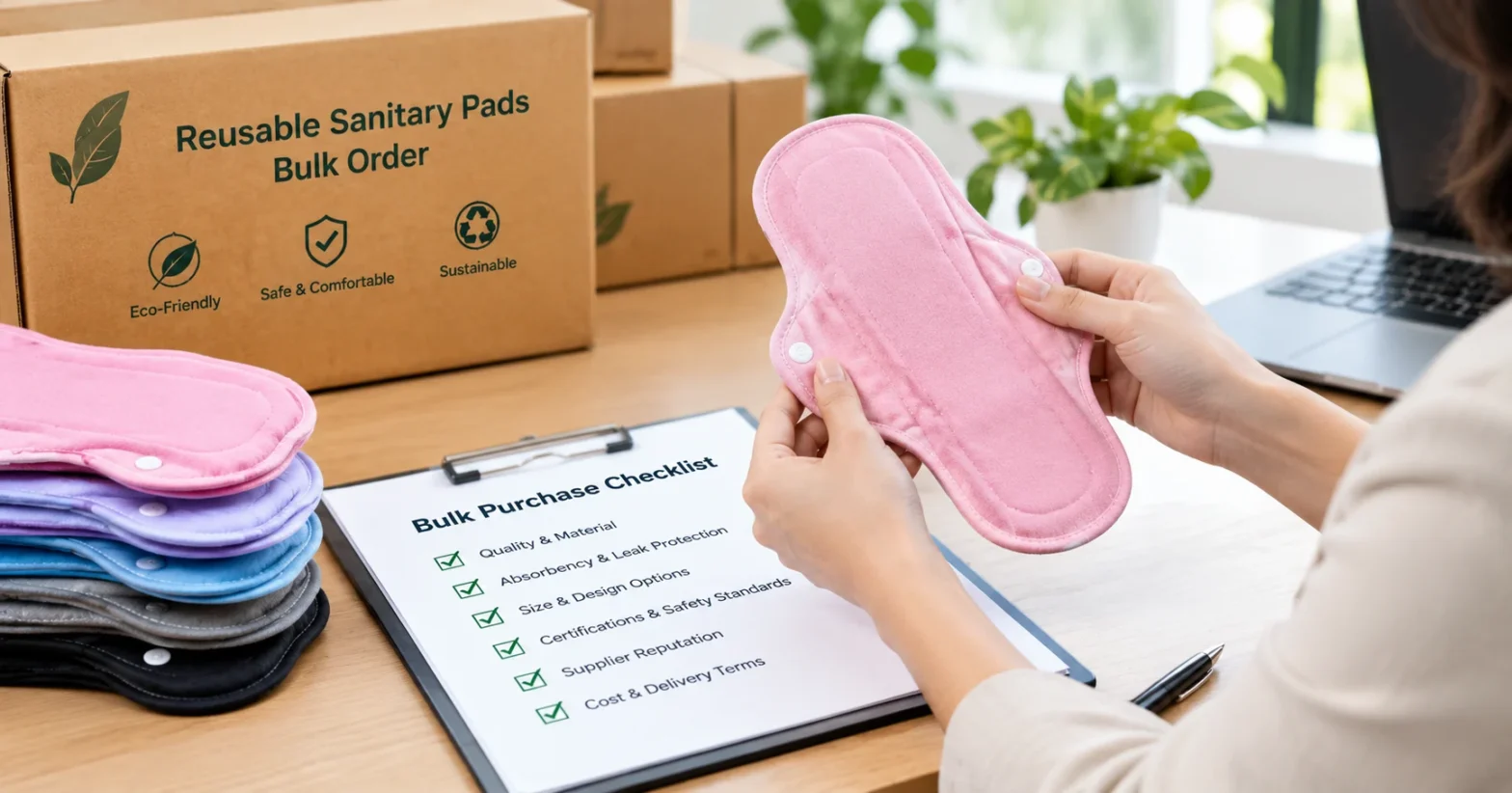
Over the years, reusable sanitary pads have become immensely popular due to their reusable design, long-term use, and lower waste. Not only can they offer a soft and comfortable option for menstrual care, but they can also provide reliable coverage during different stages of the menstrual cycle. They can be washed and used across many periods, making them suitable for companies, schools, organizations, and groups that need to provide menstrual hygiene products to multiple users. This is why many companies choose to order reusable sanitary pads in bulk when they need to provide menstrual hygiene products to a large number of users.
However, while you can find a plethora of companies offering reusable sanitary pads in bulk, ordering the right products is not as easy as it sounds. Since bulk orders involve a large number of products, even small issues with material, absorbency, sizing, or quality can affect many users.
Nonetheless, by checking the product quality, supplier terms, and other key details before placing an order, companies can make a more informed purchase.
Here are five things to check before buying reusable sanitary pads in bulk.
Material and Absorbency
The material used in a reusable sanitary pad affects its comfort, absorbency and ability to handle repeated use. Companies should check what fabrics and absorbent layers are used before placing a large order.
- Fabric: Check whether the fabric is soft and suitable for regular contact with the skin. The outer material should also be able to handle washing without wearing out too quickly.
- Absorbent Layers: Look at the number and type of absorbent layers used in the pad. These layers should be able to take in menstrual flow and help keep the surface comfortable during use.
- Flow Levels: Different users may have light, medium, or heavy menstrual flow. Check whether the supplier offers pads with different absorbency levels to meet these needs.
A reusable pad should offer suitable absorbency while remaining comfortable during regular use. Checking the material and absorbent layers can help companies choose products that match the needs of their users.
Size, Fit, and Comfort
The size, fit, and comfort of reusable sanitary pads can make or break the user experience. A pad that does not fit well may move during daily activities or provide less coverage. Make sure you check the available sizes, overall shape, and design to ensure the pads provide a comfortable fit for the intended users.
- Size Options: Check the length and width of the pads. Different sizes may be useful for different flow levels or times of the day.
- Fit: Look at how the pad is designed to stay in place inside the underwear. Features such as wings or secure fasteners can help reduce movement during use.
- Comfort: Check whether the material feels soft against the skin. A bulky or rough pad may be less comfortable during longer periods of wear.
Companies should choose sizes and designs that provide suitable coverage without making the pad difficult to wear. This is especially important when the same order will be distributed to many users with different needs.
Durability and Washing Needs
Reusable sanitary pads are made to be washed and used again. For this reason, companies should check how well the pads can handle repeated washing before placing a large order.
- Stitching: Check the stitching around the edges and between the fabric layers. Strong stitching can help the pad maintain its shape through repeated use.
- Washing: Review the recommended washing method. Companies should know how the pads need to be cleaned and dried before they are used again.
- Fasteners: If the pad uses snaps or other fasteners, check whether they are firmly attached and easy to use.
- Repeated Use: Ask about the expected period of use when the pads are washed and cared for as directed.
A reusable pad needs to remain useful after repeated washing. Checking its construction and care needs can help companies avoid products that wear out too soon.
Quality Checks and Product Standards
One of the major factors that you need to consider before buying reusable sanitary pads in wholesale is checking the quality of the products. A good sample does not always mean that every product in the final order will have the same quality. Check how the reusable sanitary pad supplier inspects and maintains product quality throughout the order.
- Product Inspection: Ask how the pads are checked before they are packed and sent. This may include checks of stitching, fabric, size, and fasteners.
- Sample Approval: Compare the final products with the approved sample when possible. This can help identify changes in material, shape, or construction.
- Test Reports: Ask whether the supplier can provide relevant test reports for the materials or products.
- Product Standards: Check whether the pads meet any product or material standards that apply to the intended use.
A clear quality check process can help companies maintain consistent product quality across a large order. It also gives buyers a better understanding of what they will receive.
Supplier’s Terms for Bulk Orders
When it comes to buying reusable sanitary pads in bulk, make sure you understand the supplier’s terms like the minimum order quantity, production time, sample policy, pricing as well as delivery details. Knowing these terms before placing the order can help you plan the purchase and avoid delays or unexpected costs.
- Minimum Order Quantity: Check the minimum number of pads the supplier requires for an order. This helps companies plan the right order size.
- Production Time: Ask how long the supplier needs to prepare the order. This is important when the pads are needed by a set date.
- Samples: Make sure you request samples before placing a large order when possible. This allows companies to check the material, size, fit, and overall quality first.
- Pricing: Ask for the price based on the required order size. Large orders may have different pricing from smaller purchases.
- Delivery: Confirm shipping costs, delivery time, and the location to which the order will be sent.
By checking the order terms in advance, you can ensure that the purchase meets your quantity, budget, and delivery needs.
Conclusion
Buying reusable sanitary pads in large quantities requires careful checks before the order is placed. Companies should review the material and absorbency, size and fit, durability, washing needs, order terms and quality checks. These factors can affect how comfortable, useful, and long-lasting the pads are for the people who use them.
Checking samples and supplier terms before confirming a large order can also help companies avoid issues with product quality, delivery or care requirements. A clear understanding of these details makes it easier to choose reusable menstrual hygiene products that meet both user needs and order requirements.
Are you looking to buy reusable sanitary pads in bulk? ReliefPad offers eco-friendly reusable pads designed to provide dependable protection and lasting comfort during the menstrual cycle.
Frequently Asked Questions
How should companies compare reusable sanitary pad suppliers?
Companies should compare suppliers based on material quality, absorbency, size options, durability, sample availability, order terms, production time, and quality checks. Pricing should also be reviewed along with the product features and supplier terms.
How long can reusable sanitary pads be used?
The usable life of a reusable sanitary pad depends on its material, construction, washing method and frequency of use. Following the care instructions and washing the pad properly can help maintain its quality through repeated use.
How should reusable sanitary pads be stored before use?
Reusable sanitary pads should be stored in a clean, dry place where they are protected from moisture and dust. Proper storage helps keep the pads clean and ready for use when needed.
What affects the cost of buying reusable sanitary pads when they are ordered in large quantities?
The cost can depend on the order quantity, materials, pad size, absorbency, design, customization, packaging, and shipping. Companies should ask suppliers for pricing based on their required quantity and product specifications.