7 Reasons NGOs Need Menstrual Hygiene Kits for Relief Programmes
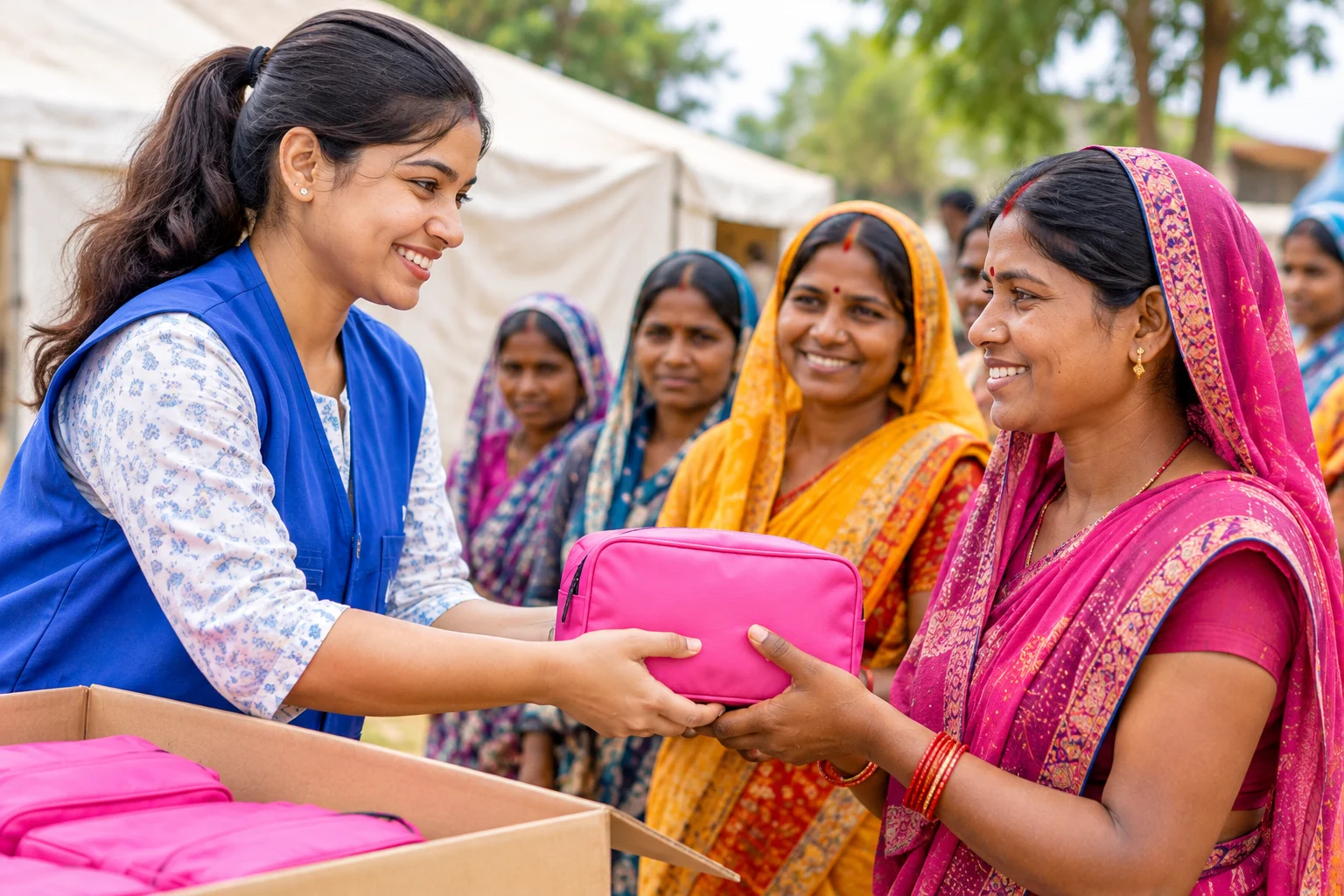
When it comes to ordering relief supplies, many NGOs make the mistake of focusing only on essentials such as food, clean water, shelter, and medical products while overlooking menstrual hygiene needs. However, what they fail to realise is the fact that menstrual care is just as important during emergencies as other basic needs. During natural disasters and other crises, access to basic menstrual products can become limited, making it important for NGOs to provide menstrual hygiene kits as part of their relief supplies.
Menstrual hygiene kits for NGOs bring essential products together, making it easier for people to manage their periods with comfort and privacy. Not only do these kits provide access to basic menstrual care items, but they also help NGOs organise supplies and distribute them more easily. By including these kits in relief efforts, NGOs can support better hygiene and protect the dignity of people in need.
Here are seven reasons why NGOs need menstrual hygiene kits for relief programmes.
1. Provides Access to Basic Menstrual Care Products
During floods, earthquakes, and other emergencies, access to basic supplies can become limited. Shops may close, roads may be blocked, and regular supply chains may stop working. This can make it hard for people to find sanitary pads and other menstrual care items.
Menstrual hygiene kits help address this problem by providing essential products in one pack. Depending on the needs of the people receiving them, these kits can include:
- Sanitary Pads: Provide products that people can use to manage their periods.
- Underwear: Offer clean underwear for regular menstrual care.
- Carry Pouches: Give users a private way to carry their menstrual products.
- Dry Bags: Help keep reusable pads and other items separate from wet belongings.
Having these items in one kit makes basic menstrual care easier during difficult times. It also helps NGOs reach people who may not have access to nearby shops or other sources of supplies.
2. Supports Better Menstrual Hygiene
Maintaining menstrual hygiene can be difficult when people have limited access to clean water, toilets, and washing facilities. These problems are common in temporary shelters and areas affected by natural disasters. Without the right products and facilities, managing periods can become uncomfortable and less hygienic.
Menstrual hygiene kits give people access to clean products that support regular menstrual care. Reusable sanitary pads can be washed and used again, provided users have access to clean water, soap, and a suitable place to dry them. Disposable pads also offer a practical option where washing facilities are not available.
NGOs can also include basic care instructions to help people understand how to use, clean, and store the products. Access to suitable menstrual products and clear guidance can help people maintain better hygiene during relief efforts.
3. Protects Privacy and Dignity
During emergencies, people may have to manage their periods in shared spaces with very little privacy. They may need to share toilets, washing areas, and sleeping spaces with others. This can make it harder to manage periods comfortably.
Menstrual hygiene kits help protect privacy by giving people their own set of personal care items. These kits contain sanitary pads, underwear, carry pouches, and dry bags that allow users to store and carry their menstrual products discreetly.
Having access to these items also reduces the need to ask others for basic menstrual supplies. This allows people to manage their periods with greater comfort and dignity, even when living conditions are difficult.
4. Makes Relief Distribution More Organised
NGOs often need to provide supplies to hundreds or thousands of people during relief programmes. Managing each menstrual care item separately can take time and make distribution harder. It can also lead to missing or uneven supplies.
Menstrual hygiene kits bring essential products together in one pack, which makes the process easier for relief teams.
- Easy Sorting: Pre-packed kits can be grouped based on the number of people or households receiving support.
- Simple Storage: Keeping products together makes it easier to count and store supplies.
- Faster Distribution: Volunteers can hand out ready-made kits without packing each item at the distribution site.
- Better Stock Checks: NGOs can track the number of kits they have and plan future orders.
An organised kit system can save time and reduce confusion during relief work. It also helps NGOs make sure that people receive the planned set of menstrual care items.
5. Meets Different Menstrual Care Needs
Not everyone has the same menstrual care needs. Age, menstrual flow, personal habits, and access to washing facilities can all affect the type of products a person needs. A single type of product may not work for everyone in a relief programme.
Menstrual hygiene kits can be customised to suit the needs of different groups and communities. NGOs can consider including:
- Reusable Sanitary Pads: Suitable for people who have access to water and washing facilities.
- Different Pad Sizes: Help meet the needs of people with different menstrual flows.
- Underwear: Provides an extra item for personal care and comfort.
- Dry Bags and Carry Pouches: Help users store and carry their menstrual products.
Custom kits allow NGOs to choose items based on the needs of the people they serve. This makes relief supplies more useful and helps avoid giving out products that recipients may not be able to use.
6. Offers a Practical and Cost-Effective Relief Option
Providing menstrual care products to large communities can put pressure on an NGO’s relief budget. Buying each Menstrual hygiene product for NGOs from a different source can add to the cost and make supply planning harder.
Ordering menstrual hygiene kits in bulk can help simplify the buying process. NGOs can get several essential items together and may also benefit from lower per-unit costs on larger orders. Ready-made kits can reduce the time and effort needed to pack products before distribution.
Reusable sanitary pads can also make these kits a practical choice for long-term relief efforts. They can be washed and used again, reducing the need for frequent replacements. However, users need access to clean water, soap, and proper drying facilities to use them safely.
By planning bulk purchases and choosing suitable products, NGOs can make better use of their relief budgets while meeting basic menstrual care needs.
7. Helps NGOs Support Long-Term Menstrual Health
Relief programmes often focus on meeting immediate needs, but menstrual health also needs attention after the initial emergency has passed. People in low-income communities and areas with limited access to basic supplies may continue to face challenges in managing their periods.
Providing menstrual hygiene kits can help NGOs support better menstrual care beyond short-term relief. Reusable sanitary pads, for example, can serve as a regular menstrual care option when users have the right facilities to wash and dry them.
NGOs can also include simple instructions on product use, cleaning, and storage. Short awareness sessions can help people understand basic menstrual hygiene and feel more comfortable discussing their needs.
Including menstrual health in long-term community programmes helps NGOs provide support that goes beyond immediate relief. It also makes menstrual care a regular part of their wider health and welfare efforts.
Conclusion
Menstrual hygiene kits play an important role in relief programmes by providing access to basic care products, supporting better hygiene, and protecting personal dignity. They also make it easier for NGOs to manage bulk purchases, organise supplies, and meet the needs of different communities.
Including these kits in relief efforts helps address an essential need that is often overlooked during emergencies. With the right products and proper planning, NGOs can make their support more useful and help people manage their periods with greater comfort.
Are you looking for menstrual hygiene kits for your NGO’s relief programme? ReliefPad offers custom menstrual hygiene kits with essential items such as underwear, dry bags, and carry pouches to support NGOs and community programmes.
Frequently Asked Questions
1. What should NGOs consider when choosing a menstrual hygiene kit supplier?
NGOs should check the supplier’s product range, product quality, bulk supply capacity, pricing, and delivery terms. They should also ask about custom kits, minimum order quantities, and product samples. These checks help ensure that the supplier can meet the programme’s needs.
2. Why is it important to include menstrual hygiene products in emergency relief supplies?
Menstrual care does not stop during emergencies. However, people in disaster-hit areas may lose access to sanitary products, clean water, and private washing spaces. Including menstrual hygiene products in relief supplies helps meet these basic needs and allows people to manage their periods with greater comfort and dignity.
3. How often should NGOs restock menstrual hygiene supplies?
The restocking schedule depends on the number of people receiving support, the type of products being used, and the length of the relief programme. NGOs should track product use and keep enough stock to meet future needs. Regular stock checks also help prevent shortages during ongoing relief efforts.
4. How should menstrual hygiene kits be stored before distribution?
Menstrual hygiene kits should be kept in a clean, dry, and well-ventilated storage area. They should be protected from moisture, dust, pests, and direct sunlight. NGOs should also keep the kits off the floor and check the packaging for damage before distribution. Proper storage helps keep the products clean and ready for use.